Use SearchAtlas when you want one platform to unify rank tracking, content research, on-page guidance, and broader SEO decision-making.
Skip it if you only need a narrow tool for one task or if your team already runs a mature multi-tool SEO stack you do not want to replace.
Pros
- +Broad SEO coverage in one environment
- +Strong fit for teams managing multiple workflows
- +Useful for content-led organic growth programs
- +Can reduce tool fragmentation
- +More strategic than a single-purpose SEO tool
Cons
- −May be more platform than some users need
- −Takes time to evaluate fully across modules
- −Not the cheapest option for casual users
- −Still requires strategic SEO judgment
- −Some teams may prefer best-of-breed specialist tools
Key Features
Unified SEO workflow. SearchAtlas appears designed to bring multiple SEO functions together so teams can work from a more connected operating layer instead of juggling separate point solutions.
Content and optimization support. The platform is especially relevant for organizations where SEO is tightly connected to content production, page improvement, and ongoing organic growth work.
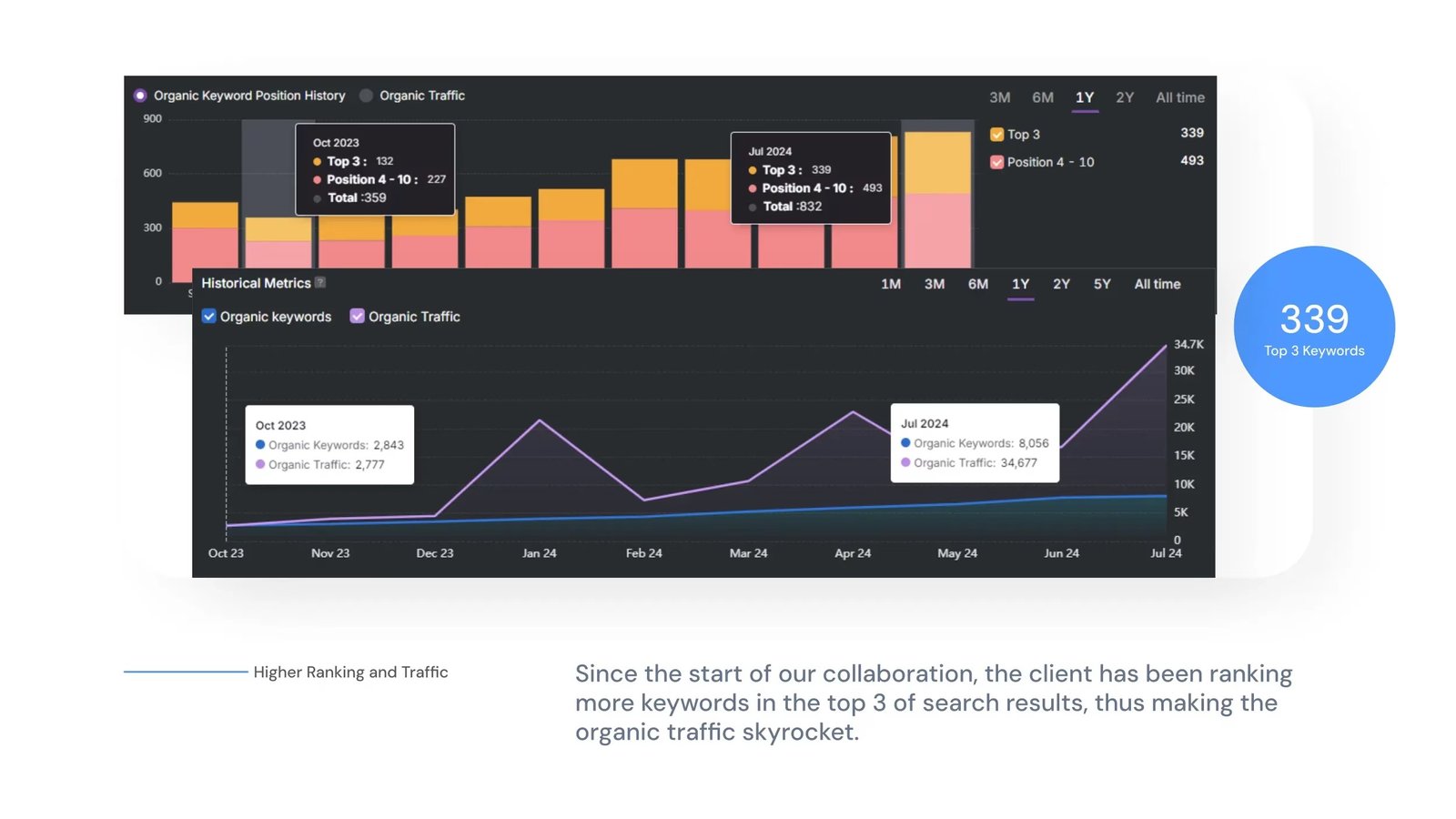
Visibility and tracking. A major value area is decision support: helping teams monitor rankings, discover opportunities, and identify where search performance is improving or slipping.
Broader search intelligence. The platform positions itself less like a simple keyword tool and more like a system for managing ongoing SEO execution.
Pricing
Pricing should be checked directly on the official website because platform scope and included modules matter more here than a simple entry price. The real decision is whether SearchAtlas can replace enough separate tools and reporting friction to justify the spend.
That case is strongest for agencies, in-house SEO teams, and businesses treating organic search as a serious growth channel. It is weaker for very small sites with limited search complexity.
Use Cases
- Agencies: managing SEO work across multiple clients from one environment.
- In-house growth teams: aligning content, optimization, and reporting workflows.
- SEO-led publishers: improving visibility through a more structured organic process.
- Businesses scaling content: connecting content output with search performance goals.
Alternatives
- If you want a more familiar SEO suite with broad market adoption → Semrush
- If your priority is backlink intelligence and competitive SEO research → Ahrefs
- If you mainly need content optimization rather than a broad SEO platform → Surfer SEO
The better comparison is not just feature count, but whether SearchAtlas matches the way your team plans, executes, and measures SEO work.
Final Verdict
When to use: Choose SearchAtlas if you want a broader SEO operating system that can support strategy, content, tracking, and optimization in a more unified workflow.
When not to use: Do not choose it if your needs are narrow, your budget is tight, or your team already prefers a stack of specialist SEO tools that works well today.